Useful links
Home Guangzhou Travel Guide Flights to Guangzhou Guangzhou Port Information Hotels in Guangzhou
Home Guangzhou Travel Guide Flights to Guangzhou Guangzhou Port Information Hotels in Guangzhou
Category : | Sub Category : Posted on 2024-10-05 22:25:23
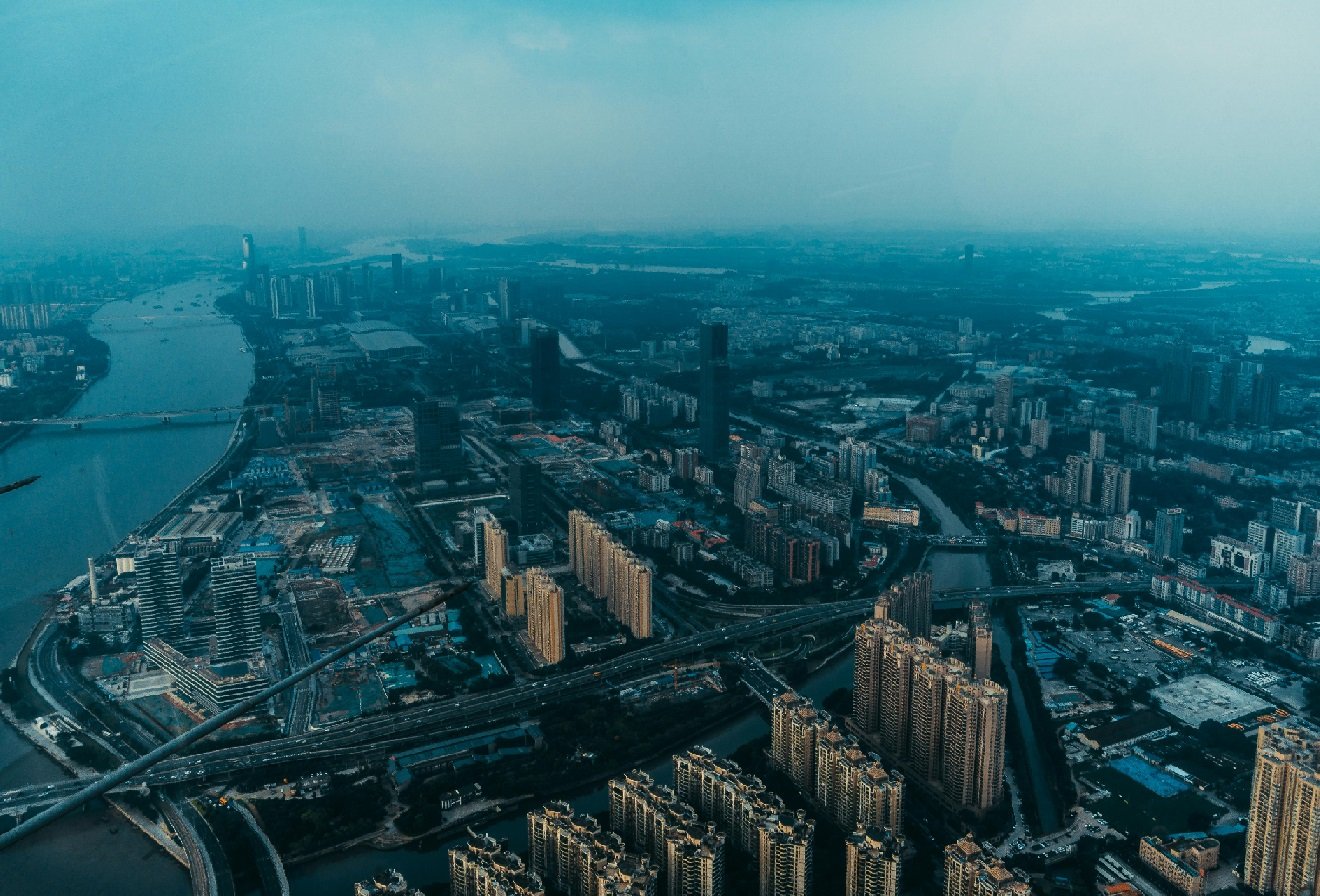
In China, a complex interplay between Corruption, religious power, and the shipping industry has emerged, creating a web of challenges and opportunities for the country's economic and social landscapes. Corruption has long been a pervasive issue in China, with high-profile cases involving government officials and business leaders making headlines both domestically and internationally. The shipping industry, a key player in China's economy due to its strategic location and massive trade volume, has not been immune to corrupt practices. Kickbacks, bribery, and embezzlement have been known to taint the sector, leading to inefficiencies and unfair competition among players. At the same time, religious power in China, especially within the context of Buddhism and Taoism, has been a force to be reckoned with. Despite the government's attempts to control and regulate religious institutions, the influence of temples and spiritual leaders on local communities cannot be underestimated. Some religious figures have even been implicated in corruption scandals, blurring the lines between sacred and profane. When these three elements - corruption, religious power, and the shipping industry - intersect, the results can be both destructive and transformative. On one hand, corrupt practices within the shipping sector can hinder economic development and erode public trust in institutions. On the other hand, religious organizations have the potential to advocate for ethical business practices and social justice within the industry. To address these complex dynamics, stakeholders in China must work together to promote transparency, accountability, and ethical behavior in the shipping sector. This could involve strengthening regulatory mechanisms, encouraging civil society participation, and fostering a culture of integrity within the industry. Religious leaders can also play a role in promoting ethical values and social responsibility among their followers. In conclusion, the intersection of corruption, religious power, and the shipping industry in China poses both challenges and opportunities for the country's development. By recognizing the interconnected nature of these forces and taking proactive measures to address them, China can build a more sustainable and resilient economy that benefits all its citizens. visit: https://www.transshipment.org Dropy by for a visit at the following website https://www.torotterdam.com For a different perspective, see: https://www.toantwerp.com sources: https://www.tohamburg.com For a different perspective, see: https://www.envoyer.org
https://toguangzhou.com
https://2gz.org
https://china-directory.com
https://sunpowerpanels.com
https://religieuse.org


