Useful links
Home Guangzhou Travel Guide Flights to Guangzhou Guangzhou Port Information Hotels in Guangzhou
Home Guangzhou Travel Guide Flights to Guangzhou Guangzhou Port Information Hotels in Guangzhou
Category : | Sub Category : Posted on 2024-10-05 22:25:23
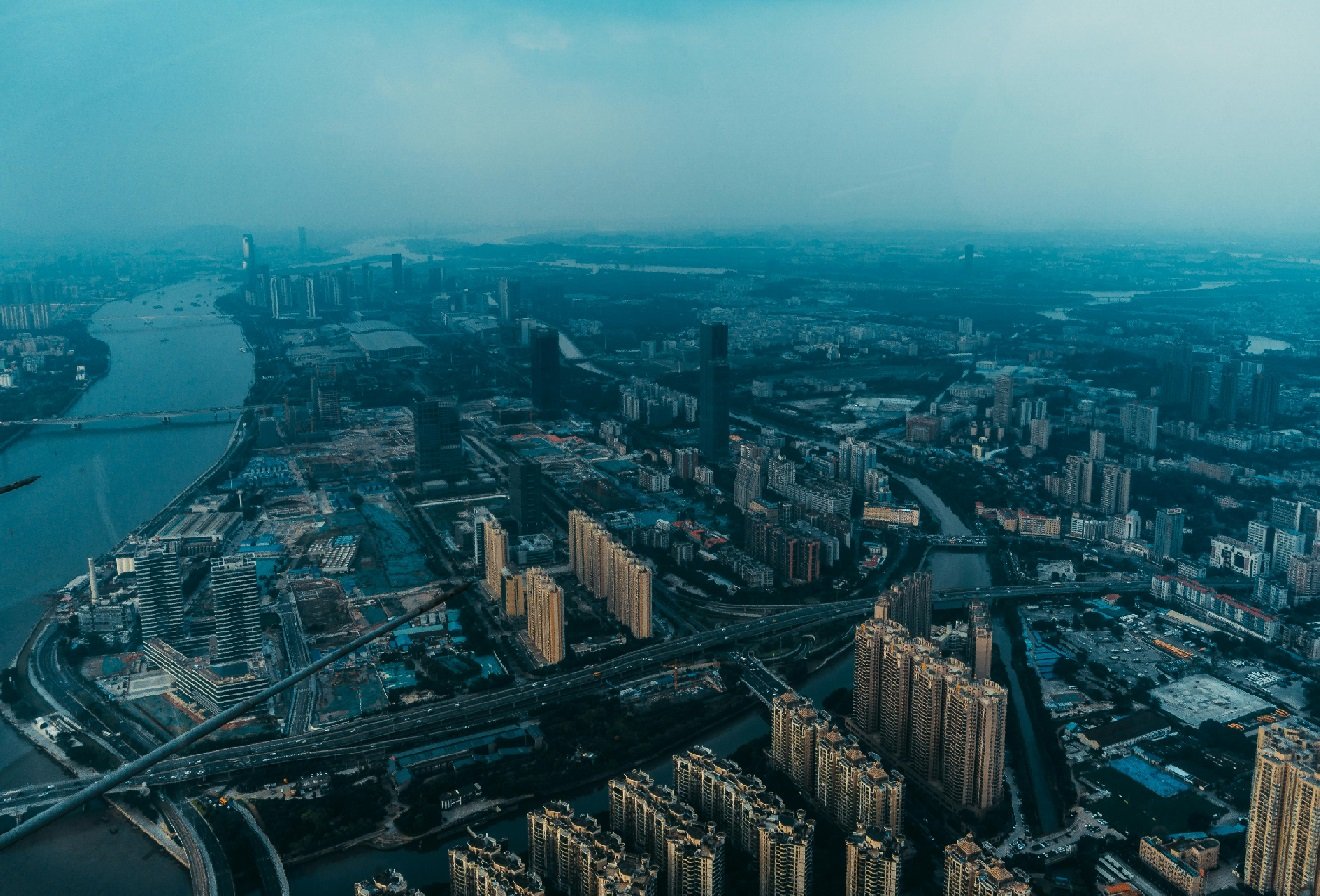
Delhi, the historic capital of India, has been a hub of shipping and trade for centuries. Throughout history, conflicts have arisen over the control of shipping routes and ports in and around Delhi, shaping the city's development and influencing the course of events in the region. One of the earliest conflicts in Delhi's history was during the time of the Delhi Sultanate, a medieval Muslim empire that ruled much of North India. The Sultanate established a strong network of trade routes connecting Delhi to other major cities in the region, such as Lahore, Multan, and Kabul. These trade routes were crucial for the transportation of goods, including spices, textiles, and precious stones, which were in high demand across the Indian subcontinent and beyond. However, the lucrative trade routes also attracted the attention of rival powers, leading to conflicts over control of the ports and shipping lanes that connected Delhi to the rest of the world. In the 14th century, the invasion of Delhi by the Mongols disrupted trade routes and led to a decline in shipping activities in the region. During the Mughal empire, Delhi regained its position as a prominent center of trade and shipping. The Mughal emperors invested in the development of ports along the Yamuna River, improving infrastructure and expanding trade networks with regions as far away as Persia and Central Asia. The ports of Delhi became hubs of activity, bustling with merchants, traders, and sailors from different parts of the world. However, conflicts over control of shipping routes continued to plague the region. The European powers, including the Portuguese, Dutch, and British, sought to expand their influence in India and gain control of key ports and maritime trade routes. The Battle of Plassey in 1757, for example, marked a significant turning point in the history of Delhi, as it led to the establishment of British dominance over much of India's maritime trade. In the modern era, Delhi remains a major hub for shipping and trade, with the city's strategic location on the banks of the Yamuna River continuing to attract businesses and investors from around the world. The development of modern infrastructure, such as the Indira Gandhi International Airport and the Delhi-Mumbai Industrial Corridor, has further boosted Delhi's position as a key player in the global shipping industry. Despite the conflicts and challenges that Delhi has faced in its history, the city's resilience and strategic significance have ensured its enduring importance as a hub of shipping and trade in India. The legacy of past conflicts lives on in the city's rich cultural heritage and vibrant maritime traditions, making Delhi a truly unique and dynamic center of commerce and connectivity. Seeking expert advice? Find it in https://www.torotterdam.com For an in-depth analysis, I recommend reading https://www.toantwerp.com Seeking answers? You might find them in https://www.tohamburg.com Have a look at the following website to get more information https://www.envoyer.org
https://toguangzhou.com
https://2gz.org
https://china-directory.com


